Every October the same chore shows up on the lawn: a thick, crunchy carpet of leaves and the long afternoons of raking and bagging that seem to come with it. There is an easier way, and it uses a machine you already have in the shed.
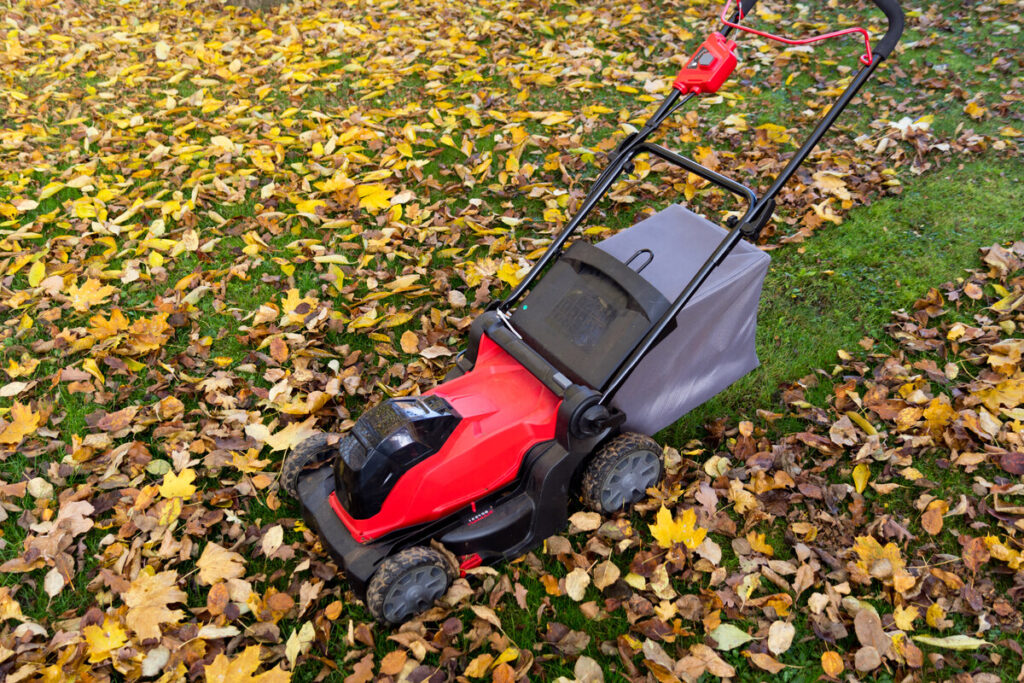
Instead of raking everything into piles and hauling bag after bag to the curb, you can run your lawn mower right over the leaves and chop them into tiny pieces that settle down between the blades of grass. Gardeners call it leaf mulching. Around here, it has turned one of the most dreaded fall jobs into something that takes a fraction of the time.
Why this trick works
Raking feels like the responsible thing to do, but it actually carts away something your yard can use. Leaves are free organic matter. Once a mower shreds them into confetti-sized bits, they slip down to the soil surface instead of sitting on top of the grass in a soggy mat.
From there, those little pieces break down quickly. As they decompose, they return nutrients to the soil and draw in earthworms and the tiny soil life that keeps a lawn healthy. The thin layer of shredded leaves also acts like a light blanket over the roots, holding in moisture as the first cold nights arrive. A lawn treated this way heads into winter in better shape and tends to green up with more energy once spring comes back around.
And then there is the obvious perk: no more heavy bags lined up by the street and no extra trips to drop off yard waste.
What you will need
- A walk-behind or riding lawn mower with a sharp blade
- Dry leaves (this matters more than anything else)
- A free afternoon that will be a lot shorter than your usual raking day
How to do it
- Wait for a dry day. Wet leaves clump, clog the deck and stall the mower. Dry leaves shred cleanly.
- Take the grass catcher bag off the mower completely so the chopped leaves can fall straight back onto the lawn.
- Raise the cutting deck to its highest setting. This keeps the engine from getting bogged down in the leaf layer and makes sure you are chopping leaves, not scalping the grass underneath.
- Mow at a steady, moderate pace. Going slower gives the blade time to chop through the whole layer instead of just pushing it around.
- Focus on the spots where leaves have piled up the most, like under oaks, maples or along the fence line.
- If the layer was especially thick, make a second pass crosswise to the first. Two passes turn the pieces into fine flakes that disappear into the lawn and break down much faster.
Tips and things to watch for
- Mow often while the leaves are coming down rather than waiting for the whole tree to drop. A thinner layer is much easier to shred.
- When you are done, you should be able to see grass through the chopped leaves. If you still see a solid layer, go over it again.
- Keep the blade sharp. A dull blade tears instead of cuts, on leaves and on grass alike.
- Skip this on a damp morning after a heavy dew or rain. Give the yard a few hours to dry out first.
A gentler kind of fall cleanup
It is funny how often the old, exhausting way turns out to be the less helpful one. Trading the rake for a well-adjusted mower saves your back and your weekend, and it lets your yard keep what it naturally drops each year. This fall, try leaving the leaves where they land and let the mower do the work. Come spring, your lawn will thank you for it.